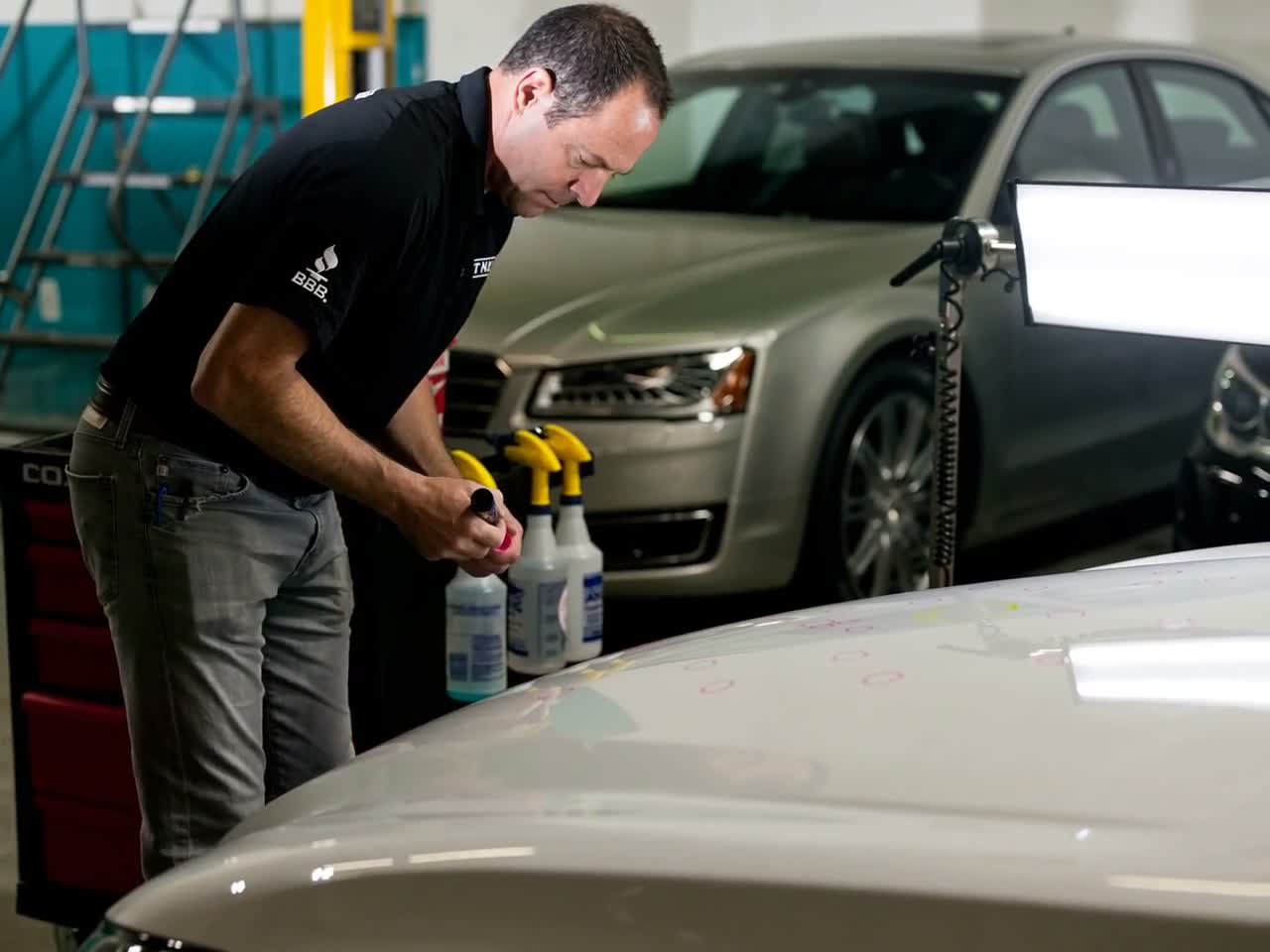
A vehicle can still run well after hail has damaged its body. That can make a total-loss decision feel confusing. It helps to separate three things: the repair scope, the vehicle’s pre-loss value and the rules that apply to the claim.
Start with the paperwork
Request the written estimate and valuation report. Check that the vehicle’s year, trim, mileage, equipment and condition are described accurately. If something is wrong, document the correction and ask the insurer how to submit it for review.
Understand actual cash value
The NAIC explains that a total-loss payment is based on what the vehicle was worth before the loss, rather than automatically following a guidebook figure. Comparable vehicles and their condition can be relevant to that discussion. Ask the insurer to explain the comparisons and adjustments in its report.
There is no single nationwide percentage
Total-loss decisions and title requirements depend on the applicable state rules, policy and claim circumstances. Ask your insurer which standard it is applying. For state-specific questions, consult your state insurance department or motor-vehicle agency rather than applying another state’s example to your claim.
Review the repair scope on its merits
A professional inspection can explain where paintless repair may be appropriate and where it is not. The purpose is an accurate scope for the vehicle. Do not assume a different repair method will automatically reverse a total-loss decision or produce a particular payment.
If you want to keep the vehicle
Ask whether owner-retained salvage is available and request the numbers in writing. The NAIC notes that an owner may negotiate to retain the vehicle at an agreed salvage value. Before deciding, establish the applicable title, registration, inspection, financing and future-insurance requirements with the relevant organizations.
Keep the repair conversation separate from the settlement decision: what work is needed, what it costs, and what the policy pays are related questions with different answers. Haydent can discuss the repair assessment; your insurer explains the claim decision.